SocialIvyMedia

Graphic Design Secrets That Make Your Brand Stand Out

Graphic design secrets are the ultimate weapon for businesses that want to dominate their market and leave a lasting impression on their audience. In today’s highly competitive digital landscape, your visual identity communicates trust, professionalism, and authority before any words are read. By mastering strategic design elements, you can transform casual visitors into loyal customers and boost your brand’s credibility across all channels. This guide reveals the graphic design secrets that help businesses of all sizes elevate their branding, optimize conversions, and build a cohesive visual presence. Why Graphic Design Secrets Are Critical for Your Brand In a world where consumers are bombarded with hundreds of visual stimuli every day, first impressions are everything. Research from Nielsen Norman Group shows users form an opinion about a website within just 50 milliseconds—often based on design alone. Graphic design influences: Implementing Logo & Graphic Design strategies ensures your business stands out and conveys professionalism at every customer touchpoint. Establishing a Strong Visual Identity Graphic Design Secrets Start With Consistency One of the most overlooked graphic design secrets is brand consistency. A unified visual identity across all platforms ensures your audience instantly recognizes your brand. Key strategies: Consistent visuals build trust, increase brand recall, and make your messaging more persuasive. Powerful Logos That Drive Engagement Your logo is the cornerstone of your brand. A thoughtfully designed logo communicates credibility, professionalism, and value at a glance. Logo design secrets: High-quality logos paired with strong Review & Reputation Management strategies elevate customer trust instantly. External resource: Forbes – Why Logos Matter Optimizing Website Design for Conversions Visual Hierarchy and User Experience One of the most important graphic design secrets for digital platforms is using visual hierarchy to guide users toward your desired actions. A conversion-focused website that aligns with your branding improves engagement and sales. Mobile-First and Responsive Design With over 60% of web traffic coming from mobile devices, your Website Design & Development must prioritize mobile-first experiences. Mobile-responsive layouts combined with consistent visuals create a seamless brand experience across devices. Leveraging Graphic Design Secrets in Marketing Channels Social Media Visual Strategies Strong visuals drive engagement on social media. Posts with cohesive branding are far more likely to be shared and remembered. High-quality, branded visuals enhance trust and increase the chances of converting followers into customers. Print Media Integration While digital dominates, Print Media remains a powerful tool for building credibility. Flyers, brochures, and direct mail with cohesive design reinforce your digital branding, creating a unified, memorable experience. Paid Advertising Design Secrets For Pay Per Click (PPC) Traffic campaigns, design directly impacts performance. Ads with clean visuals, clear messaging, and brand-aligned colors achieve higher click-through rates and conversions. External resource: WordStream – High-Converting Ad Creative Connected TV Advertising As audiences shift to streaming, Connected TV & Advertising campaigns require visual consistency. Proper design placement ensures your brand is memorable across digital and OTT platforms. Enhancing Lead Conversion With Live Chat Live Chat Lead Conversion tools benefit from well-designed interfaces. Branding elements in chat windows, buttons, and pop-ups increase engagement and lead quality. Integrating visual design with messaging ensures visitors feel confident interacting with your brand. Color, Typography, and Emotional Impact Color Psychology Colors evoke emotions and influence purchasing decisions. Choosing the right palette is one of the most impactful graphic design secrets. Typography for Brand Identity Typography affects readability, tone, and perception. Limit font families to 2–3, maintain hierarchy, and align font style with your overall brand voice. Consistent typography strengthens your messaging across Print Media, websites, and digital ads. Measuring the Impact of Graphic Design Analytics and ROI Design performance is measurable. Track how visual elements influence: Consistent branding also enhances results for Local & Competitive SEO by improving dwell time and user experience. Scaling Graphic Design for Business Growth Design Systems for Consistency Establishing a design system ensures scalability without losing consistency. Include: Pairing design systems with 1-on-1 Coaching & Consulting ensures your visual identity supports your business goals effectively. Conclusion: Graphic Design Secrets Are Your Competitive Advantage The best graphic design secrets combine aesthetics with strategy. From Logo & Graphic Design to Website Design & Development, Social Media Management & Marketing, and Connected TV & Advertising, every design element plays a role in building trust, credibility, and conversions. Integrating Print Media, Live Chat Lead Conversion, Pay Per Click (PPC) Traffic, Review & Reputation Management, and Sales & Marketing Funnel Design ensures a cohesive experience across all touchpoints. By mastering these graphic design secrets, your brand can stand out in a crowded market, foster trust, and drive measurable results. Design isn’t just visual—it’s a strategic growth tool.

Graphic Design Secrets That Make Your Brand Stand Out Read More »

Graphic Design Secrets That Make Your Brand Stand Out

In today’s competitive marketplace, first impressions matter more than ever. Your brand’s visual identity plays a pivotal role in how potential customers perceive your business, trust your products or services, and ultimately decide whether to engage. A strong graphic design strategy can elevate your brand above competitors, increase recognition, and drive meaningful conversions. This comprehensive guide explores graphic design secrets that make your brand stand out, from logos to print collateral, website design, and integrated marketing efforts. The Role of Graphic Design in Branding Graphic design is more than just aesthetics. It’s a strategic tool that communicates your brand’s values, personality, and professionalism. Every visual element, from logos to typography, shapes customer perception. According to studies, brands with consistent visual identity enjoy up to 23% higher revenue and stronger customer loyalty. Investing in Logo & Graphic Design ensures your business is memorable, credible, and professional across all touchpoints. Secret #1: Create a Distinctive Logo Your logo is often the first visual interaction customers have with your brand. A distinctive, well-designed logo establishes trust and communicates your brand identity instantly. Tips for a memorable logo: A powerful logo builds brand recognition, making it easier for customers to recall and engage with your business. Secret #2: Consistent Visual Identity Across Channels Consistency is key to building a recognizable brand. Every marketing channel—online or offline—should reflect the same visual language. Consistent branding reinforces trust, makes your business memorable, and improves conversion rates. Secret #3: Design With the Customer in Mind Every design decision should be made with your audience in mind. Understand their preferences, pain points, and motivations. Design that resonates with your audience encourages engagement and strengthens your Sales & Marketing Funnel Design. Secret #4: Leverage Color Psychology Colors evoke emotions and influence buying decisions. The right color palette can increase brand recall, boost trust, and even drive conversions. Integrating colors thoughtfully across Logo & Graphic Design, websites, and marketing materials enhances your brand identity. Secret #5: Typography Matters Typography communicates tone and readability. The right fonts reinforce your brand’s voice and ensure content is easy to digest. Thoughtful typography strengthens credibility and makes your messaging more persuasive. Secret #6: Integrate Graphic Design With Marketing Channels Design should never exist in isolation. When integrated with your marketing channels, it drives better engagement and results. Integrated design creates a seamless brand experience and strengthens customer trust. Secret #7: High-Quality Visual Content Visual content is more than logos—it includes images, videos, infographics, and animations. High-quality visuals capture attention and communicate complex messages efficiently. High-quality visuals make your brand look professional, credible, and modern. Secret #8: Use Branding to Build Trust Design builds trust when it communicates professionalism, consistency, and authority. Every interaction, from social media posts to emails and Print Media brochures, contributes to perceived credibility. Trust drives conversions and encourages repeat business, making strong graphic design an investment in long-term growth. Secret #9: Optimize for Conversions Design isn’t just about looking good—it must support business objectives. Every element should guide users toward a desired action. Conversion-focused design ensures that your visual assets contribute directly to business growth. Secret #10: Continually Evolve Your Design Markets, trends, and consumer preferences evolve—and so should your brand. Regularly updating your visuals keeps your brand fresh and competitive. Evolution ensures your brand remains relevant and appealing to new and existing customers. Conclusion: Stand Out With Strategic Graphic Design Strong graphic design is not optional—it’s a strategic necessity for businesses that want to stand out. By combining professional Logo & Graphic Design, cohesive branding across Print Media and digital platforms, integrated campaigns with Social Media Management & Marketing and Connected TV & Advertising, and optimized Website Design & Development, small and medium businesses can compete with larger brands. Adding elements like Live Chat Lead Conversion, Review & Reputation Management, and Sales & Marketing Funnel Design ensures that your design efforts translate into leads, sales, and loyal customers. For businesses seeking expert guidance, 1-on-1 Coaching & Consulting can accelerate growth and optimize visual strategy for maximum ROI. By implementing these graphic design secrets, your brand will not only capture attention—it will build trust, drive engagement, and achieve measurable results across all marketing channels.

Graphic Design Secrets That Make Your Brand Stand Out Read More »

Boost Your Sales Funnel with High-Value Lead Magnets

In today’s competitive digital marketplace, capturing leads is just the first step toward business growth. The real challenge is nurturing those leads and converting them into paying customers. This is where high-value lead magnets come in. A lead magnet is a resource or offer designed to attract potential customers, provide immediate value, and encourage them to share their contact information. When strategically aligned with your sales funnel, lead magnets can dramatically increase conversions, strengthen customer relationships, and accelerate revenue growth. This guide will explore how to design, implement, and optimize high-value lead magnets that seamlessly integrate with your marketing strategy. What Are Lead Magnets and Why They Matter Lead magnets serve as an incentive for potential customers to engage with your brand. Common examples include ebooks, templates, checklists, webinars, free trials, and discounts. The most effective lead magnets solve a specific problem or fulfill an urgent need for your target audience. Why lead magnets are essential: By offering value upfront, lead magnets help small and medium businesses level the playing field against larger competitors. Step 1: Understand Your Audience The first step in creating a high-value lead magnet is understanding your audience’s pain points, desires, and motivations. Conduct market research to uncover what prospects truly need. Audience-focused lead magnets are far more likely to generate engagement and conversions. Step 2: Choose the Right Type of Lead Magnet Not all lead magnets are created equal. Selecting the right format is key to maximizing engagement. Popular lead magnet types include: Choosing a lead magnet format that resonates with your target audience increases the likelihood of capturing qualified leads. Step 3: Create Irresistible Value The success of a lead magnet depends on perceived value. It must solve a real problem, provide actionable insights, and make the user feel their time was well spent. High-value lead magnets not only capture emails but also establish your business as a trusted authority in your niche. Step 4: Integrate Lead Magnets with Your Website Your website is the central hub for lead generation. Optimizing landing pages and forms for lead magnets ensures seamless conversions. A user-friendly, visually cohesive landing page builds trust and increases the likelihood of capturing qualified leads. Step 5: Promote Your Lead Magnet Even the best lead magnets won’t perform without proper promotion. Consider both paid and organic channels to maximize reach. Strategic promotion ensures your lead magnets reach the right people at the right time. Step 6: Nurture Leads Through Your Funnel Once a lead is captured, it’s essential to nurture the relationship to convert them into paying customers. Effective nurturing increases conversion rates and ensures that the effort invested in lead magnets delivers ROI. Step 7: Measure and Optimize Performance Tracking and optimizing lead magnet performance is crucial for long-term success. Continuous optimization ensures that your lead magnets remain effective and aligned with business goals. Step 8: Combine Lead Magnets with Omnichannel Marketing Lead magnets perform best as part of an integrated marketing strategy that spans multiple channels. Omnichannel integration maximizes exposure and strengthens the impact of your lead magnets across all touchpoints. Step 9: Leverage Reviews and Social Proof Social proof can amplify the effectiveness of your lead magnets. People are more likely to trust your offer if others have benefited from it. Trust-driven marketing increases lead magnet downloads and accelerates conversions. Step 10: Invest in Expertise and Coaching Developing, implementing, and scaling lead magnet strategies can be complex. Partnering with experts ensures you get the most out of your efforts. Expert support accelerates results and helps you avoid costly mistakes. Conclusion: High-Value Lead Magnets Drive Funnel Success High-value lead magnets are essential tools for building trust, capturing qualified leads, and boosting conversions in any sales funnel. By understanding your audience, creating compelling content, promoting across multiple channels, and nurturing leads strategically, small and medium businesses can achieve results comparable to larger competitors. Integrating lead magnets with Website Design & Development, Logo & Graphic Design, Print Media, Social Media Management & Marketing, Connected TV & Advertising, Live Chat Lead Conversion, Review & Reputation Management, Pay Per Click (PPC) Traffic, and Sales & Marketing Funnel Design ensures a holistic approach to lead capture and conversion. When paired with 1-on-1 Coaching & Consulting, your lead magnets are not only powerful tools for acquisition—they become engines for sustainable growth and measurable ROI.

Boost Your Sales Funnel with High-Value Lead Magnets Read More »

How Small Businesses Can Compete with Big Brands on CTV

Connected TV (CTV) advertising is rapidly transforming the digital marketing landscape. With millions of viewers streaming content on smart TVs and devices like Roku, Amazon Fire TV, and Apple TV, businesses have a new opportunity to reach targeted audiences at scale. While big brands dominate traditional TV advertising, small businesses can also leverage CTV to compete, increase visibility, and drive measurable results. In this guide, we’ll explore how small businesses can maximize their CTV campaigns and integrate them into a broader marketing strategy for growth. What Is Connected TV Advertising? Connected TV (CTV) refers to any television that is connected to the internet and can stream digital content. CTV advertising allows brands to deliver video ads directly to these viewers, bypassing traditional cable or satellite TV. Unlike traditional TV spots, CTV ads are highly targeted, measurable, and cost-effective, making them accessible to small businesses. Step 1: Define Your Goals and Target Audience Before launching a CTV campaign, it’s essential to clarify your objectives. Are you trying to build brand awareness, generate leads, or drive direct sales? Clear goals inform ad creative, targeting, and budget allocation. Well-defined goals ensure that even with a modest budget, your ads reach the right audience and deliver measurable outcomes. Step 2: Craft High-Impact Visual Branding CTV is a highly visual medium, and first impressions matter. Your ads should communicate professionalism, credibility, and brand personality. Strong visual branding differentiates your business from competitors and builds trust with viewers. Step 3: Optimize Ad Placement and Targeting One of the biggest advantages of CTV advertising is precise targeting. Unlike traditional TV, you can reach users based on location, interests, and viewing habits. Targeted campaigns maximize ROI, allowing small businesses to compete with big brands on a level playing field. Step 4: Integrate with Your Marketing Funnel CTV campaigns perform best when integrated with your Sales & Marketing Funnel Design. Every ad should guide viewers toward a specific action, whether that’s visiting your website, signing up for a newsletter, or making a purchase. By aligning CTV ads with your sales funnel, you ensure every impression contributes to business growth. Step 5: Leverage Social Proof and Reputation Small businesses can compete with big brands by showcasing credibility and trustworthiness. Online reviews, testimonials, and case studies build confidence among potential customers. Social proof bridges the trust gap and makes small businesses appear as reliable as larger competitors. Step 6: Keep Creative Flexible and Engaging CTV ads are more effective when they are short, visually engaging, and easy to understand. Unlike traditional TV ads, viewers can skip or tune out low-quality content. Engaging ads capture attention and ensure small businesses get the most from their advertising budget. Step 7: Complement CTV with Other Channels CTV is most powerful when used alongside other marketing channels, creating a cohesive and omnichannel strategy. Omnichannel alignment reinforces brand recognition, builds trust, and maximizes return on ad spend. Step 8: Track Performance and Optimize CTV campaigns offer detailed metrics that allow small businesses to adjust strategies in real time. Continuous optimization ensures that your small business remains competitive, even against larger brands with bigger budgets. Step 9: Invest Strategically While small businesses may have limited budgets compared to big brands, careful allocation can deliver significant results. Smart investment allows small businesses to punch above their weight and gain market share. Step 10: Build Long-Term Brand Trust CTV advertising is not just about immediate conversions—it’s about long-term brand recognition and credibility. By consistently presenting your brand across all channels and maintaining professional visuals, businesses foster trust that translates into repeat customers. Strong brand consistency makes your small business memorable, credible, and competitive. Conclusion: Small Businesses Can Win on CTV Connected TV is no longer the exclusive domain of big brands. With the right strategy, small businesses can leverage Connected TV & Advertising to reach local and niche audiences, build trust, and drive conversions. By combining CTV with Website Design & Development, Logo & Graphic Design, Social Media Management & Marketing, Local & Competitive SEO, and Pay Per Click (PPC) Traffic, small businesses create a powerful, integrated marketing engine. Supporting tools like Review & Reputation Management, Live Chat Lead Conversion, Print Media, and 1-on-1 Coaching & Consulting ensure campaigns are optimized, credible, and conversion-focused. With careful planning, creative execution, and consistent measurement, small businesses can not only compete but thrive in the CTV advertising space—proving that size is no barrier to capturing attention and winning customers in 2025 and beyond.

How Small Businesses Can Compete with Big Brands on CTV Read More »

The Ultimate Local SEO Guide for Small Businesses

Local SEO is no longer optional for small businesses—it is a critical growth lever. As consumers increasingly rely on search engines to find nearby services, businesses that dominate local search results consistently win more traffic, leads, and customers. This guide breaks down exactly how small businesses can leverage local SEO to outperform competitors, increase visibility, and convert local searches into revenue. What Is Local SEO and Why It Matters Local SEO is the practice of optimizing your online presence to attract customers from geographically relevant searches. These searches typically include phrases like “near me,” city names, or service-specific local intent. For small businesses, local SEO offers several advantages: When combined with strong Website Design & Development and consistent branding, local SEO becomes one of the highest-ROI digital strategies available. Step 1: Build a High-Performance Website for Local SEO Your website is the foundation of all local SEO efforts. Search engines evaluate site speed, mobile usability, structure, and content relevance when ranking local businesses. Key website optimization elements include: A professionally built site not only ranks better but also converts visitors into leads—especially when paired with Live Chat Lead Conversion for real-time engagement. Step 2: Optimize for Local Competitive SEO Winning local search is not just about optimization—it’s about outperforming nearby competitors. Local Competitive SEO focuses on analyzing and surpassing businesses competing for the same geographic keywords. Effective competitive local SEO includes: Businesses that invest in competitive local SEO position themselves as the clear authority in their market. Step 3: Master Reviews and Reputation Management Online reviews are one of the strongest local ranking factors—and one of the most influential trust signals for customers. A strong Review & Reputation Management strategy helps: Encouraging satisfied customers to leave reviews and responding professionally to all feedback significantly boosts both SEO performance and customer confidence. Step 4: Leverage Content and Print Media for Local Authority Local SEO is strengthened by content that demonstrates relevance and authority. This includes blogs, location pages, FAQs, and offline materials that reinforce brand consistency. Integrating Print Media into your local strategy can: When customers see your brand both online and offline, trust and recall increase—positively impacting local SEO performance. Step 5: Use PPC to Accelerate Local SEO Results While local SEO builds long-term authority, Pay Per Click (PPC) Traffic provides immediate visibility. When used strategically, PPC complements local SEO rather than replacing it. Benefits of combining PPC with local SEO: This hybrid approach ensures steady lead flow while organic rankings mature. Step 6: Strengthen Local Presence Through Social Media Search engines consider brand engagement signals when evaluating trust and authority. Active, localized social media profiles help reinforce your relevance. With Social Media Management & Marketing, businesses can: Social platforms act as amplification channels for local SEO content and brand visibility. Step 7: Build Conversion-Focused Local Funnels Ranking high is only half the equation. The real value of local SEO lies in turning traffic into paying customers. A structured Sales & Marketing Funnel Design ensures: Local SEO performs best when paired with a funnel that captures and converts demand efficiently. Step 8: Expand Reach with Connected TV Advertising Local marketing is no longer limited to search and social. Connected TV & Advertising allows small businesses to target specific geographic audiences through streaming platforms. Connected TV supports local SEO by: When customers recognize your brand from streaming ads, they are more likely to click your listing in local search results. Step 9: Improve Lead Capture with Live Chat Local website visitors often want immediate answers. Live Chat Lead Conversion removes friction and increases conversions by providing real-time engagement. Live chat benefits local SEO efforts by: Search engines reward sites that deliver strong engagement, making live chat both a conversion and SEO asset. Step 10: Get Expert Guidance for Sustainable Growth Local SEO is dynamic—algorithms change, competitors adapt, and customer behavior evolves. Strategic oversight ensures long-term success. Through 1-on-1 Coaching & Consulting, small businesses gain: Expert guidance helps avoid costly mistakes and accelerates measurable results. Common Local SEO Mistakes to Avoid Many small businesses struggle with local SEO due to avoidable errors, including: Avoiding these pitfalls ensures your local SEO strategy delivers sustained growth. Final Thoughts: Local SEO Is a Growth Engine for Small Businesses Local SEO is one of the most powerful tools available to small businesses—but only when executed strategically. By combining Local Competitive SEO with strong Website Design & Development, reputation management, content, paid advertising, and conversion-focused funnels, businesses can dominate their local markets. When supported by Print Media, Social Media Management & Marketing, Connected TV & Advertising, and Live Chat Lead Conversion, local SEO becomes a comprehensive, omnichannel growth strategy. Small businesses that invest in a structured, long-term local SEO approach don’t just rank higher—they build trust, capture demand, and convert local searches into loyal customers.

The Ultimate Local SEO Guide for Small Businesses Read More »

How to Create a Visual Identity That Builds Customer Trust

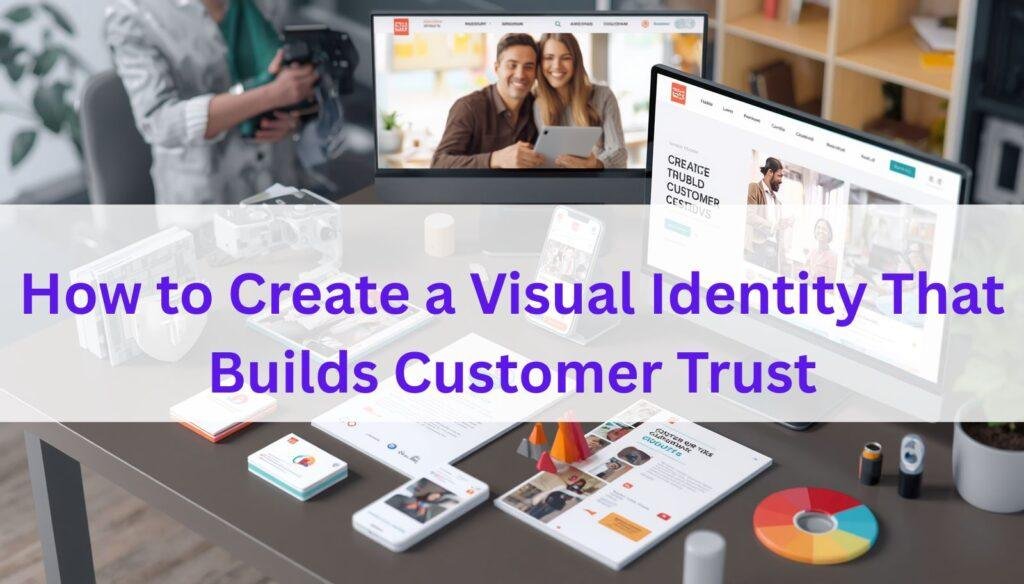
In today’s competitive business landscape, your visual identity is more than just a logo or color palette—it’s the cornerstone of your brand’s credibility and trustworthiness. A well-crafted visual identity communicates professionalism, reinforces your brand message, and influences how customers perceive your business. Whether you are a startup or an established company, creating a cohesive visual identity can significantly impact your marketing performance and customer loyalty. This comprehensive guide will explore how to create a visual identity that builds trust, integrates with your marketing strategy, and drives conversions. Step 1: Understand the Role of Visual Identity Visual identity encompasses all visual elements that represent your brand, including logos, color schemes, typography, imagery, and design style. It is the first impression customers receive and often the reason they choose to engage with your brand—or not. Why visual identity matters: A strong visual identity should not be created in isolation; it must align with your overall brand strategy, including Sales & Marketing Funnel Design and online presence. Step 2: Start with a Memorable Logo Your logo is the most recognizable element of your visual identity. It should be simple, professional, and reflective of your brand values. Logo design tips: A well-designed logo instills confidence and makes your brand instantly recognizable, fostering trust among customers. Step 3: Choose a Consistent Color Palette and Typography Color and typography evoke emotions and help convey your brand’s personality. Consistency across all channels reinforces trust and professionalism. Best practices: Consistent visual elements make your brand appear reliable and polished, encouraging customer engagement. Step 4: Incorporate High-Quality Imagery and Graphics Images and graphics have the power to communicate your brand story and create emotional connections with your audience. Tips for visual content: High-quality visuals convey professionalism and help establish trust with your target audience. Step 5: Align Your Visual Identity Across Channels Consistency is key in building recognition and trust. A cohesive visual identity should be applied across all marketing channels, both online and offline. Where to apply your visual identity: Consistency across channels reinforces brand trust and strengthens recognition, making your business appear more professional and credible. Step 6: Build Trust Through Strategic Design Beyond aesthetics, your visual identity should communicate transparency, reliability, and expertise. Customers trust brands that appear professional and well-organized. Trust-building strategies: Designing with trust in mind strengthens customer confidence and encourages repeat engagement. Step 7: Test and Refine Your Visual Identity Creating a visual identity is an iterative process. Testing allows you to measure how your audience responds and make adjustments as needed. Testing strategies: Regular refinement ensures your brand remains relevant, appealing, and trustworthy. Step 8: Integrate Your Visual Identity with Marketing Campaigns A strong visual identity is most effective when integrated into broader marketing efforts. Align your branding with digital and traditional channels for maximum impact. Integration tactics: A cohesive strategy across all channels builds trust, improves recall, and strengthens your brand presence. Step 9: Leverage Storytelling Through Design Visual identity is not just about aesthetics—it’s about storytelling. Use your design elements to communicate your brand story, values, and unique selling points. Storytelling strategies: Storytelling through visuals strengthens emotional connections, making customers more likely to trust and engage with your brand. Step 10: Maintain and Evolve Your Visual Identity A strong visual identity requires ongoing maintenance to stay relevant. Trends change, and brands evolve, so your identity should adapt accordingly. Maintenance tips: Maintaining a current, consistent visual identity reinforces trust and keeps your brand top-of-mind. Conclusion: Visual Identity as a Trust-Building Tool Creating a visual identity that builds customer trust is a strategic process that involves careful planning, professional design, and ongoing optimization. By leveraging Logo & Graphic Design, Website Design & Development, and Print Media, businesses can create a cohesive brand image that resonates across all channels. Integrating your visual identity with Sales & Marketing Funnel Design, Social Media Management & Marketing, Connected TV & Advertising, Pay Per Click (PPC) Traffic, and Live Chat Lead Conversion campaigns strengthens credibility and improves conversions. Investing in a professional and cohesive visual identity, along with 1-on-1 Coaching & Consulting, ensures that your brand not only attracts attention but also builds lasting customer trust. In a crowded marketplace, trust is the ultimate differentiator—and your visual identity is the foundation for establishing it.

How to Create a Visual Identity That Builds Customer Trust Read More »

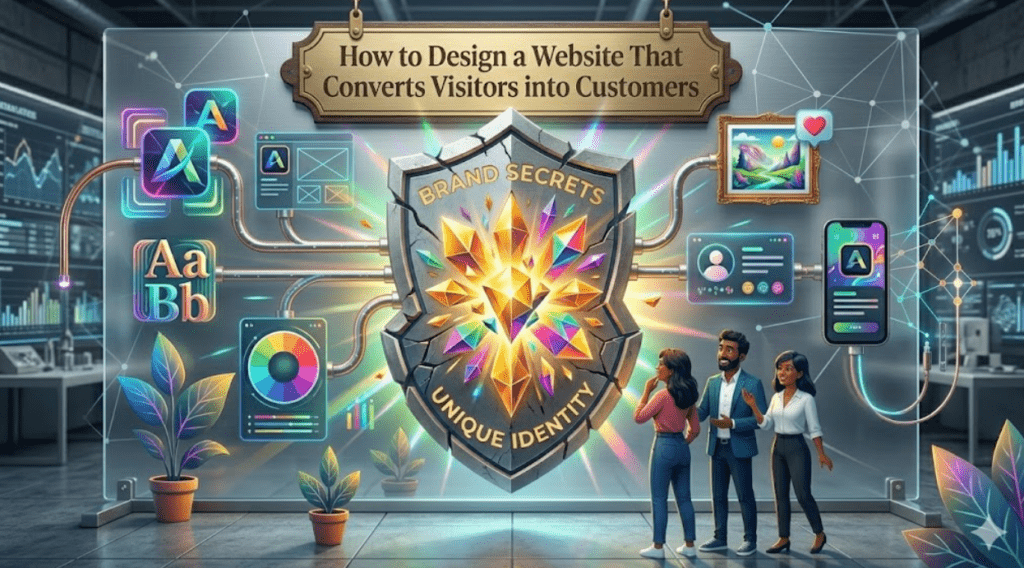
How to Design a Website That Converts Visitors into Customers

In the digital age, your website is often the first interaction potential customers have with your business. A visually appealing site may grab attention, but it’s a well-designed, conversion-focused website that turns visitors into loyal customers. Designing a website that not only attracts traffic but also drives conversions requires strategy, attention to detail, and an understanding of user behavior. This guide will walk you through the key principles of designing a high-converting website while integrating complementary marketing strategies. Step 1: Start with Clear Goals Before diving into design, define what you want your website to achieve. Are you looking to generate leads, sell products, promote services, or grow your email list? Clear goals provide the foundation for design decisions and help measure success. Tips for setting website goals: By defining goals upfront, you ensure that your website design prioritizes functionality and conversions, not just aesthetics. Step 2: Focus on User Experience (UX) User experience is crucial for keeping visitors engaged and encouraging them to take action. Poor navigation, slow load times, and confusing layouts lead to high bounce rates and lost sales. UX best practices include: A seamless UX ensures visitors can quickly find what they need, increasing the likelihood of conversions. Step 3: Optimize Visual Design and Branding Strong branding helps establish credibility and makes your website memorable. Visual elements should not only be attractive but also reinforce your brand identity. Visual design tips: Well-crafted visuals strengthen trust and guide visitors toward taking action. Step 4: Craft Compelling and Clear Content Content drives engagement, educates visitors, and influences purchase decisions. High-converting websites use content strategically to guide users through the sales funnel. Content strategies for conversion: Content should be aligned with the user journey, emphasizing the benefits of taking action. Step 5: Incorporate Strong Calls-to-Action (CTAs) A website cannot convert without clear guidance on the next steps. Effective CTAs tell visitors exactly what you want them to do. CTA best practices: CTAs are essential for moving visitors from interest to conversion. Step 6: Optimize for Search Engines Driving traffic to your website is only effective if users can find you. Search engine optimization (SEO) ensures your site ranks for relevant queries and attracts high-intent visitors. SEO best practices: SEO ensures your conversion-focused website reaches the right audience efficiently. Step 7: Integrate Multi-Channel Marketing High-converting websites do not exist in isolation. Integrating your site with broader marketing strategies enhances reach and effectiveness. Integration strategies include: Cross-channel integration ensures a consistent message and strengthens conversion opportunities. Step 8: Implement Analytics and Conversion Tracking A website’s effectiveness must be measured to continuously improve performance. Implement analytics and tracking to monitor user behavior and conversions. Key tracking elements: Ongoing analysis ensures your website evolves alongside user behavior and marketing trends. Step 9: Mobile-First Design Mobile traffic accounts for the majority of web visits. Designing with a mobile-first approach ensures that your website performs well on smartphones and tablets. Mobile optimization tips: A mobile-optimized website increases accessibility, engagement, and conversions. Step 10: Enhance Credibility and Trust Visitors are more likely to convert when they trust your brand. Trust-building elements reduce hesitation and encourage action. Strategies to enhance trust: Building trust is key to turning casual visitors into loyal customers. Advanced Website Conversion Strategies For businesses aiming to maximize conversions in 2025: These advanced techniques increase engagement, reduce bounce rates, and drive higher conversion rates. Conclusion: Build a Conversion-Focused Website Today A high-converting website is more than just aesthetics—it combines strategic design, compelling content, UX optimization, and integrated marketing. By implementing Website Design & Development best practices, leveraging professional Logo & Graphic Design, and integrating tools like Live Chat Lead Conversion, businesses can turn visitors into paying customers efficiently. Coupling your website with multi-channel marketing strategies such as Pay Per Click (PPC) Traffic, Connected TV & Advertising, Social Media Management & Marketing, and Print Media ensures your brand reaches and resonates with your target audience. Finally, investing in 1-on-1 Coaching & Consulting provides tailored strategies that refine your website design and marketing integration, maximizing your conversions and business growth. Your website is your digital storefront. Make it not just visually appealing, but a powerful conversion engine that delivers measurable results and drives sustainable growth in 2025 and beyond.

How to Design a Website That Converts Visitors into Customers Read More »

Top 5 Mistakes to Avoid in PPC Campaigns

Pay-per-click (PPC) advertising remains one of the most effective ways to generate targeted traffic and drive conversions. Platforms like Google Ads, Bing Ads, and social media advertising channels allow businesses to reach their audience with precision. However, despite its potential, many campaigns fail to deliver optimal results due to common mistakes. In this guide, we’ll explore the top 5 PPC mistakes businesses make and show how to avoid them while integrating other marketing strategies for maximum ROI. Mistake #1: Ignoring Target Audience Research One of the most common errors in PPC campaigns is failing to clearly define and understand your target audience. Without precise targeting, your ads may reach people who aren’t interested in your products or services, wasting both time and budget. How to avoid it: By aligning your campaigns with a clearly defined audience, you ensure your ads are seen by those most likely to convert, increasing your PPC ROI. Mistake #2: Poor Keyword Strategy Selecting the wrong keywords or failing to structure your keyword strategy can severely limit your PPC performance. Many advertisers either choose overly generic keywords or neglect negative keywords, resulting in irrelevant clicks. How to optimize your keyword strategy: A strong keyword strategy ensures your ads attract qualified traffic and improves overall Quality Scores, lowering cost-per-click (CPC) and boosting conversions. Mistake #3: Weak Landing Pages Driving traffic to a poorly optimized landing page is one of the fastest ways to waste your PPC budget. If your page doesn’t deliver a clear message, provide a smooth user experience, or include a strong call-to-action (CTA), visitors are unlikely to convert. Best practices for landing pages: A well-optimized landing page aligns with your PPC ads and turns clicks into valuable leads or sales. Mistake #4: Neglecting Conversion Tracking Many businesses fail to implement proper conversion tracking, making it impossible to measure the success of PPC campaigns. Without data, you cannot optimize campaigns, allocate budget efficiently, or identify high-performing ads. How to implement effective tracking: Tracking conversions allows for data-driven optimization, ensuring your budget is spent on campaigns that generate real results. Mistake #5: Overlooking Ad Optimization and Testing PPC campaigns are not “set it and forget it.” Ads that perform well initially can decline over time if they are not continuously tested and optimized. Ignoring split-testing and performance analysis can result in wasted spend and missed opportunities. Optimization strategies: Regular optimization ensures your campaigns remain competitive, relevant, and high-converting. Integrating PPC with Other Marketing Channels While avoiding these common mistakes is essential, the most successful campaigns integrate PPC with broader marketing strategies. Omnichannel integration ideas: Combining PPC with other channels ensures that your messaging is consistent, reaches a wider audience, and strengthens brand authority. Common PPC Pitfalls and How to Avoid Them Beyond the top five mistakes, businesses often encounter additional pitfalls that reduce campaign efficiency: Addressing these factors improves overall performance and ROI. Case Study: Successful PPC Campaign A mid-sized e-commerce business implemented a comprehensive PPC strategy while avoiding the common mistakes outlined above: Results: This demonstrates how avoiding mistakes and integrating PPC with other marketing strategies leads to measurable success. Advanced PPC Strategies for 2025 For businesses looking to stay ahead in 2025, consider these advanced tactics: Implementing these strategies ensures your campaigns remain competitive and cost-efficient. Conclusion: Avoid Mistakes to Maximize PPC ROI PPC advertising offers immense potential for businesses looking to grow quickly, but success depends on avoiding common pitfalls. By focusing on audience research, keyword strategy, landing page optimization, conversion tracking, and ad testing, businesses can maximize the effectiveness of their campaigns. Integrating PPC with other marketing efforts — including Print Media, Website Design & Development, Logo & Graphic Design, Review & Reputation Management, and Live Chat Lead Conversion — ensures that campaigns drive not just traffic, but meaningful conversions and long-term brand growth. For businesses aiming to scale and refine their strategies, 1-on-1 Coaching & Consulting offers personalized guidance to achieve higher ROI and more effective marketing campaigns. Avoiding mistakes is the first step toward building profitable PPC campaigns that consistently deliver results. Start optimizing today, and watch your paid traffic transform into loyal, high-value customers.

Top 5 Mistakes to Avoid in PPC Campaigns Read More »

Connected TV Advertising: The Next Big Thing in Marketing

The way audiences consume content has changed dramatically over the past decade. Traditional television is giving way to streaming platforms, and advertisers are taking notice. Connected TV (CTV) advertising has emerged as one of the most powerful ways for businesses to reach their ideal audiences with precision and efficiency. In 2025, marketers can no longer afford to ignore CTV if they want to stay competitive in the digital marketing landscape. This blog post explores why connected TV advertising is revolutionizing marketing, how businesses can leverage it, and strategies for maximizing ROI while integrating it with other marketing channels. What is Connected TV Advertising? Connected TV advertising refers to delivering ads on internet-connected television platforms such as Roku, Hulu, Amazon Fire TV, Apple TV, and smart TVs. Unlike traditional cable or satellite TV, CTV allows for advanced targeting, real-time analytics, and interactivity, making it one of the most measurable advertising channels available today. Benefits of CTV advertising include: For businesses aiming to increase visibility and capture high-quality leads, CTV represents a unique opportunity to connect with audiences in their homes on the biggest screen. Why CTV Advertising Is the Future The shift from linear TV to streaming services has accelerated rapidly. Viewers now expect personalized and relevant content, which means businesses can no longer rely solely on broad, generic advertising methods. CTV solves this by combining the scale of television with the precision of digital marketing. Key reasons CTV is essential in 2025: Incorporating Connected TV & Advertising into your marketing strategy ensures that your brand remains relevant and reaches your audience where they are spending the most time. Understanding Your Target Audience The foundation of any effective CTV campaign is a deep understanding of your audience. You must know who your ideal customers are, their interests, behaviors, and preferences. Steps to define your audience: By combining these insights, you can create a precise target audience profile, ensuring your CTV ads reach viewers most likely to convert. Crafting Compelling CTV Ads For CTV advertising to work, your creative needs to stand out on the big screen. High-quality visuals, clear messaging, and strong branding are essential. Best practices for CTV ad creatives: Well-crafted ads not only capture attention but also drive viewers to engage with your business across multiple channels. Integrating CTV with Digital Marketing Channels CTV advertising is most effective when integrated with your overall digital marketing strategy. Combining CTV with other channels strengthens your messaging and drives conversions. Integration strategies: An integrated approach ensures that viewers of your CTV ads have a clear path to become customers. Measuring and Optimizing CTV Campaigns Unlike traditional TV, CTV provides measurable results. Tracking metrics allows you to optimize campaigns and improve ROI continuously. Key metrics to monitor: Advanced analytics tools enable real-time adjustments to targeting, creative, and placement, ensuring your CTV campaigns remain effective and efficient. Combining CTV with Social and Print Media To maximize impact, consider using CTV alongside other marketing channels. This omnichannel approach reinforces messaging and enhances brand credibility. This combination ensures consistent messaging and strengthens your overall marketing strategy. Advanced CTV Strategies for 2025 For businesses seeking a competitive edge, advanced strategies can amplify results: These advanced techniques ensure that your CTV campaigns deliver maximum ROI and measurable results. Case Study: CTV Campaign Success Consider a mid-sized e-commerce business that launched a CTV campaign targeting specific demographics and interests. They combined Connected TV & Advertising with Sales & Marketing Funnel Design and Live Chat Lead Conversion for instant engagement. Results: This demonstrates the power of CTV when integrated with a holistic marketing approach. Tips for Maximizing ROI with CTV By following these steps, businesses can achieve significant ROI from their CTV advertising investments. Conclusion: Connected TV is the Next Big Thing CTV advertising offers unprecedented opportunities for marketers to reach their target audience with precision, creativity, and measurable impact. When combined with Sales & Marketing Funnel Design, Live Chat Lead Conversion, and other digital marketing strategies, it becomes a powerful tool for growth and customer engagement. Businesses that adopt CTV now, alongside traditional and digital marketing channels like Pay Per Click (PPC) Traffic, Local & Competitive SEO, and Review & Reputation Management, will be better positioned to thrive in 2025 and beyond. Whether your goal is to increase brand awareness, generate high-quality leads, or boost conversions, Connected TV advertising is no longer optional — it’s essential for modern marketing success.

Connected TV Advertising: The Next Big Thing in Marketing Read More »

Reputation Management 101: How to Build Trust & Credibility Online

In today’s hyper-connected digital landscape, your business’s online reputation is one of its most valuable assets. A single negative review, a poorly optimized website, or inconsistent branding can turn potential customers away in seconds. Conversely, businesses that proactively manage their online reputation gain trust, increase conversions, and enjoy long-term customer loyalty. This guide, Reputation Management 101, will show you step-by-step how to build trust and credibility online while leveraging proven strategies to enhance your brand’s presence. What is Online Reputation Management? Online reputation management (ORM) refers to the practice of monitoring, influencing, and maintaining how your brand is perceived on the internet. It encompasses everything from search engine results to social media mentions, reviews, and digital content. Key goals of ORM include: Businesses that ignore their online reputation risk losing leads, suffering decreased sales, and struggling to compete with more proactive competitors. Step 1: Audit Your Current Online Presence Before you can manage your reputation, you need to understand what exists online. Conducting a comprehensive reputation audit helps identify strengths, weaknesses, and opportunities. Key areas to audit: This initial audit provides the foundation for your reputation management strategy. Step 2: Build a Strong, Consistent Brand Identity A recognizable, professional brand inspires confidence. Consistency across digital platforms ensures potential customers know what to expect. Action steps: A strong, consistent brand establishes authority and credibility, making customers more likely to trust your business. Step 3: Monitor and Respond to Reviews Customer reviews are one of the most influential aspects of your online reputation. Studies show that a majority of consumers read reviews before making a purchase decision. Best practices: Timely responses show customers that you care, improving trust and reducing the impact of negative reviews. Step 4: Optimize Your Online Presence with SEO Search engines play a crucial role in shaping public perception. By optimizing your content and profiles, you can control what potential customers see. SEO tactics for reputation management: An optimized presence ensures that positive information about your business ranks higher than negative or irrelevant content. Step 5: Leverage Social Media Strategically Social media is a double-edged sword: it can amplify praise or criticism quickly. The key is proactive engagement. Tips for social media ORM: Active social engagement fosters a loyal community and strengthens your reputation over time. Step 6: Implement a Sales Funnel That Builds Trust Integrating reputation management into your Sales & Marketing Funnel Design helps nurture leads and convert them into loyal customers. Funnel strategies: A well-structured funnel not only drives conversions but also demonstrates professionalism and reliability. Step 7: Use Paid Advertising to Highlight Positive Messaging Paid campaigns allow you to amplify positive messaging while controlling your narrative. Pay Per Click (PPC) Traffic and Connected TV & Advertising campaigns can showcase your brand’s strengths to targeted audiences. Strategies include: Paid campaigns provide another layer of reputation reinforcement in a crowded digital marketplace. Step 8: Automate Lead Conversion and Engagement Engaging leads quickly improves trust and prevents prospects from slipping away. Live Chat Lead Conversion tools allow instant communication, answering questions, and guiding visitors through the buying process. Benefits of live chat integration include: Combining automation with personal interaction enhances credibility and increases conversion rates. Step 9: Measure, Refine, and Protect Your Reputation Reputation management is an ongoing process. Continuous monitoring allows you to refine strategies and respond proactively to threats. Key metrics to track: Periodic evaluation and optimization ensure your reputation remains strong, even as market conditions and customer expectations evolve. Step 10: Seek Expert Guidance For businesses looking to maximize the impact of reputation management, professional guidance can make a difference. 1-on-1 Coaching & Consulting provides personalized strategies for improving trust, credibility, and online visibility. Coaches and consultants can help with: Expert guidance accelerates results and ensures your efforts are aligned with industry best practices. Conclusion: Reputation is Your Most Valuable Asset Online reputation is not optional — it’s essential for business growth in 2025 and beyond. By auditing your presence, building a consistent brand, monitoring reviews, leveraging social media, and integrating reputation management into your sales funnels and advertising strategies, you can establish trust and credibility with your audience. Investing in Website Design & Development, Logo & Graphic Design, Print Media, and automated Live Chat Lead Conversion tools, combined with Review & Reputation Management and expert 1-on-1 Coaching & Consulting, positions your business for long-term success. Remember: a strong reputation attracts customers, increases conversions, and builds loyalty. Start managing yours today, and watch your business thrive in the digital age.

Reputation Management 101: How to Build Trust & Credibility Online Read More »