SocialIvyMedia

Turn Website Visitors into Customers with Live Chat

In the fast-paced digital landscape, attention spans are short, competition is fierce, and customer expectations are higher than ever. When a potential customer lands on your website, you have only a few seconds to capture their interest and guide them toward taking action. While great design and compelling content are essential, there’s one powerful tool that can dramatically increase conversions: live chat. Live chat is no longer just a nice-to-have feature—it’s a must-have for businesses that want to turn curious website visitors into paying customers. From answering questions instantly to providing personalized support, live chat helps bridge the gap between browsing and buying. In this post, we’ll dive into why live chat matters, how it impacts customer behavior, and how you can integrate it into your overall marketing strategy for maximum results. Why Live Chat Is the Future of Online Customer Engagement Today’s customers want answers immediately. If they don’t get them, they’re likely to bounce off your site and look elsewhere. Studies show that websites with live chat see higher conversion rates and better customer satisfaction because they meet customers where they are—instantly. Unlike traditional customer service options like email or phone support, live chat offers: When combined with effective website design & development, live chat becomes a seamless part of your user experience—making it easier for visitors to trust your brand and take action. How Live Chat Boosts Conversions Adding live chat lead conversion to your site isn’t just about customer service; it’s about sales. Here’s how it directly impacts conversions: Integrating live chat into your sales marketing funnel design ensures no opportunity slips away. The Role of Branding in Live Chat Success Live chat isn’t just a functionality—it’s an extension of your brand voice. When a visitor interacts with your chat feature, they should feel the same level of professionalism and personality that they get from your other channels. A strong logo & graphic design establishes your brand identity, while print media and digital touchpoints reinforce credibility. When your live chat tone and design are consistent with your branding, you create a cohesive customer experience that builds trust and loyalty. Integrating Live Chat with SEO and Paid Ads Live chat can dramatically improve the ROI of both organic and paid traffic. Pairing live chat with your advertising strategy ensures you’re not just getting clicks—you’re getting conversions. Using Live Chat Across Marketing Channels The benefits of live chat extend beyond your website. Imagine combining it with: By creating a unified strategy, you ensure that no matter how customers find you, they’re always one click away from personal engagement. Training and Coaching for Live Chat Success Implementing live chat is just the first step—training your team to use it effectively is what truly drives results. Personalized 1-on-1 coaching & consulting can help your staff learn how to handle conversations, qualify leads, and close sales directly in chat. With the right approach, your live chat agents become sales professionals, not just support staff. Best Practices for Live Chat Implementation To get the most from live chat, follow these proven strategies: By aligning these practices with your website design & development and funnel strategy, live chat becomes a true conversion powerhouse. The ROI of Live Chat The investment in live chat is minimal compared to the return. Businesses that use live chat report: When live chat is integrated with SEO, PPC, branding, and funnel strategies, the ROI multiplies—making it one of the smartest investments for growth in 2025. Final Thoughts In a world where speed, convenience, and personalization drive buying decisions, live chat is no longer optional. It’s the missing link between attracting visitors and turning them into loyal customers. By combining live chat lead conversion with powerful tools like local competitive SEO, pay-per-click traffic, review & reputation management, and social media marketing, your business can deliver exceptional customer experiences while boosting sales. The future of online business is about engagement, and live chat ensures you’re always ready to connect.

Turn Website Visitors into Customers with Live Chat Read More »
Online Reputation Is Everything: Are You in Control?

In today’s digital marketplace, your online reputation can make or break your business. Consumers are more informed than ever, and before they make a purchase, they’re checking Google reviews, social media comments, and online mentions. If what they see isn’t positive—or worse, if they see nothing at all—you could be losing customers without even knowing it. Whether you run a small local business or a growing brand, reputation management isn’t optional. It’s a critical part of building trust, attracting new customers, and keeping existing ones loyal. Why Your Online Reputation Matters A single negative review or misleading post can spread quickly, influencing hundreds or even thousands of potential customers. On the flip side, a steady stream of positive feedback and brand consistency builds credibility and encourages sales. With review & reputation management, you can take control of the conversation and ensure your best qualities are front and center. Step 1: Monitor What’s Being Said About You You can’t manage what you don’t measure. Regularly check platforms like Google Business Profile, Yelp, Facebook, and industry-specific directories. Set up alerts for mentions of your brand so you can respond quickly to feedback—positive or negative. Integrating social media management & marketing ensures you’re actively present where your customers are talking about you. Step 2: Respond Professionally and Promptly How you respond to reviews says just as much about your brand as the reviews themselves. Thank customers for positive feedback and address complaints with empathy and solutions. This approach can often turn critics into loyal fans. If your team struggles with timely responses, tools like live chat lead conversion can help you engage with customers instantly, showing that you value their time and opinion. Step 3: Build a Positive Review Strategy Don’t wait for customers to leave feedback on their own—ask for it. Send follow-up emails after a purchase, include review request links in receipts, or offer a small incentive for leaving feedback. This proactive approach, combined with a well-designed sales marketing funnel, helps ensure that your online reputation reflects your actual quality of service. Step 4: Align Branding Across All Channels Your reputation isn’t just about reviews—it’s also about perception. A cohesive brand image from your logo graphic design to your print media reinforces trust. Pair this with a strong website design & development to create a professional first impression for anyone researching your business. Step 5: Promote Positive Content Push positive stories about your business to the top of search results. This can be done through local competitive SEO, blog posts, and press releases. Even pay-per-click advertising can be used to promote positive brand content when potential customers search for you. Bottom Line:Your online reputation is your most valuable digital asset. The businesses winning in 2025 aren’t just delivering great products—they’re actively shaping how the public perceives them. With the right strategy, you can stay in control, build trust, and ensure your business stands out for all the right reasons.

Online Reputation Is Everything: Are You in Control? Read More »

Retargeting with PPC: How to Convert Window Shoppers into Buyers

Not every person who visits your website will buy from you on their first visit. In fact, most people browse, compare, and leave without taking action. These “window shoppers” aren’t lost forever—retargeting with Pay-Per-Click (PPC) ads can bring them back and convert them into paying customers. Retargeting is a strategy that serves ads specifically to people who have already interacted with your website or brand. It’s one of the most cost-effective ways to improve conversions and maximize your ad spend. Why Retargeting Works People rarely buy instantly. They may be researching, waiting for a better offer, or simply got distracted before completing their purchase. Retargeting uses data from their previous visits to remind them of your business and re-engage them at the perfect time. When combined with pay-per-click advertising, retargeting ensures your ads appear on social media, search engines, and other websites they visit—keeping your brand top of mind. Step 1: Build a Retargeting Audience To start, install tracking tools like the Facebook Pixel or Google Ads Tag on your website. This allows you to capture visitor behavior—pages they viewed, products they liked, or forms they started but didn’t finish. Pair this with local competitive SEO to bring in high-quality traffic initially, so your retargeting audience is made up of people already interested in what you offer. Step 2: Craft Compelling Retargeting Ads Your retargeting ads should be tailored to the visitor’s previous actions. If someone looked at a product but didn’t purchase, show them that exact item again—this time with an incentive like a discount or free shipping. Strong branding from your logo graphic design helps make these ads instantly recognizable, while consistent messaging from your print media and online campaigns reinforces trust. Step 3: Use Funnel-Based Messaging Retargeting should fit into your overall sales marketing funnel design. For example: You can even integrate live chat lead conversion to capture hesitant visitors before they leave again. Step 4: Maintain Engagement Post-Sale Once a retargeted lead becomes a customer, keep the relationship alive. Encourage reviews through review & reputation management and re-engage customers with upsell or cross-sell campaigns. Social media remarketing with social media management & marketing can turn new customers into repeat buyers and even brand advocates. Step 5: Measure and Refine Track key metrics like click-through rates, conversion rates, and cost per acquisition. If your results aren’t where you want them to be, adjust ad creatives, offers, or audience segments. For expert insights, consider 1-on-1 coaching & consulting to refine your strategy. Final Word:Retargeting with PPC isn’t about annoying your audience—it’s about reminding them of the value you offer and helping them make a purchase decision. With a strategic approach, you can turn casual browsers into loyal customers while getting the most out of every ad dollar.

Retargeting with PPC: How to Convert Window Shoppers into Buyers Read More »

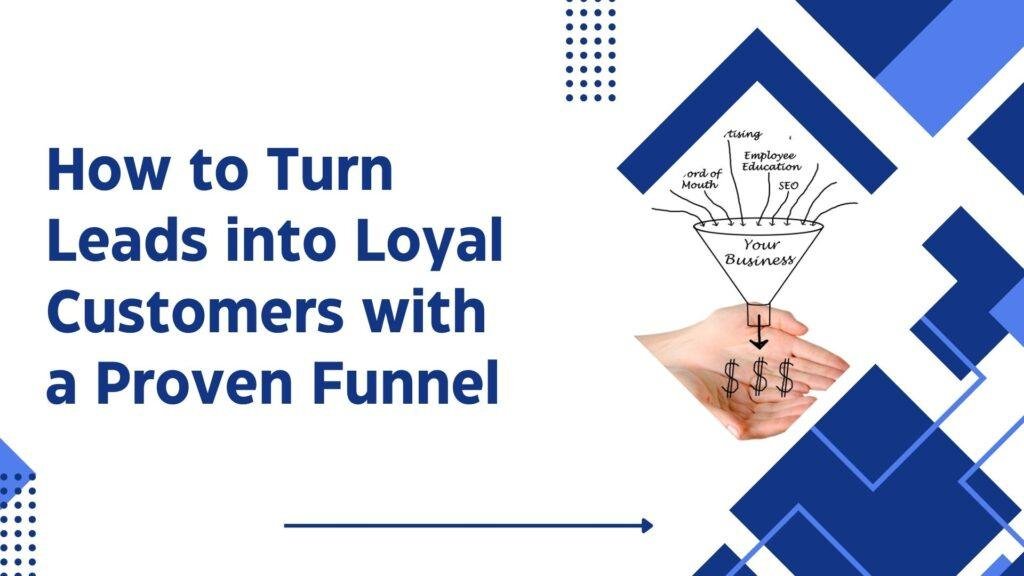
How to Turn Leads into Loyal Customers with a Proven Funnel

In today’s competitive market, getting leads is just the first step. The real challenge is turning those leads into loyal, paying customers who come back again and again. That’s where a well-crafted sales funnel comes in. A sales funnel is more than just a marketing buzzword—it’s a strategic process that guides prospects from awareness to conversion and beyond. When done right, it can dramatically improve your revenue and customer retention. Step 1: Attract the Right Audience Your funnel starts with awareness. You need to get in front of the right people at the right time. Paid campaigns like pay-per-click advertising can bring targeted traffic quickly, while local competitive SEO ensures long-term visibility in search engines. A strong first impression also comes from professional branding. Having a recognizable logo graphic design builds trust from the very first interaction. Step 2: Build Trust with Value Once you’ve attracted leads, the next step is to earn their trust. Offer free, valuable content—like guides, videos, or webinars—that addresses their pain points. You can also use social media management & marketing to consistently engage with your audience and position your brand as a helpful resource. This is also the stage to focus on your reputation. Encourage satisfied clients to leave reviews and monitor feedback through review & reputation management. Step 3: Convert Leads into Customers A proven funnel makes it easy for leads to take the next step. Clear calls to action, optimized landing pages, and persuasive offers are key. Using sales marketing funnel design services ensures that every step of your customer’s journey is mapped out for maximum conversions. Integrating live chat lead conversion on your website can also capture leads instantly and answer questions in real time, reducing the chances of losing them to competitors. Step 4: Deliver an Outstanding Customer Experience Conversion isn’t the end—it’s the beginning of a long-term relationship. Your product or service must deliver exactly what was promised and more. A great post-purchase experience turns one-time buyers into repeat customers. Consistent branding, both online and offline, with tools like print media helps reinforce your professional image and keeps your business top of mind. Step 5: Nurture Loyalty and Advocacy Loyal customers are more likely to refer friends, leave positive reviews, and spend more over time. Continue engaging with them through personalized emails, special offers, and exclusive updates. Consider targeted campaigns such as connected TV advertising to keep your brand in front of your audience in fresh, creative ways. If you need expert guidance, 1-on-1 coaching & consulting can help you refine your sales process and implement proven strategies. Final Takeaway A proven sales funnel doesn’t just increase conversions—it creates a predictable path to loyal customers. By combining strategic attraction, trust-building, conversion optimization, and ongoing engagement, your business can build long-term customer relationships that drive consistent growth. Ready to turn more leads into lifelong customers? Explore our sales marketing funnel design services today and start building a funnel that works.

How to Turn Leads into Loyal Customers with a Proven Funnel Read More »

Why Mobile-First Website Design Is No Longer Optional

In 2025, your website is no longer just a digital brochure—it’s the front door to your business. And if that front door doesn’t open quickly and smoothly on a smartphone, you’re losing customers. With over 60% of all web traffic now coming from mobile devices, a mobile-first website design is no longer optional—it’s essential for visibility, engagement, and conversions. What Is Mobile-First Website Design? Mobile-first design is a development approach where the mobile version of your site is designed before the desktop version. This ensures that users on smartphones and tablets have a fast, seamless experience. Mobile-first isn’t just about smaller screens—it’s about prioritizing speed, simplicity, and usability. If your current site isn’t mobile-friendly, now is the time to invest in website design & development that meets modern browsing habits. Why Google Prioritizes Mobile-Friendly Sites Google uses mobile-first indexing, which means it primarily looks at the mobile version of your site to determine rankings. If your mobile experience is poor—slow loading times, tiny text, hard-to-click buttons—you’ll see it in your search results. That’s why pairing mobile-first design with local competitive SEO is key to staying ahead of competitors. How Mobile-First Boosts Conversions A mobile-friendly website isn’t just about aesthetics—it impacts your bottom line. Users are more likely to take action if they can navigate easily, read without zooming, and tap buttons without frustration. Integrating clear calls to action, engaging visuals, and even live chat lead conversion tools can help capture customers instantly. Key Features of a Mobile-First Website The Role of Branding in Mobile Design Your brand identity must be consistent across platforms. A clean layout, optimized images, and a strong visual identity all play a role in keeping users engaged. Pairing your mobile-friendly site with well-designed print media and social visuals ensures your brand stays recognizable—online and offline. Future-Proof Your Business Mobile-first design isn’t a trend—it’s the standard. As more consumers shift to mobile browsing, your site must deliver fast, functional, and visually appealing experiences on all devices. To stay competitive, combine strong mobile design with smart marketing strategies like pay-per-click advertising, sales marketing funnel design, and social media management to drive qualified traffic. Final Takeaway Your website is often your first impression—and in today’s mobile-first world, it’s also your most important sales tool. If your site isn’t optimized for mobile, you’re not just losing traffic—you’re losing opportunities. Let’s create a mobile-first, SEO-optimized site that works as hard as you do. Explore our website design & development services to get started.

Why Mobile-First Website Design Is No Longer Optional Read More »

How to Grow Your Audience Organically on Instagram & Facebook

In today’s competitive digital landscape, organic growth on social media isn’t just possible—it’s essential. While paid advertising has its place, building an authentic and engaged audience on platforms like Instagram and Facebook gives your brand long-term visibility, trust, and credibility. If you’re wondering how to grow your audience organically on Instagram and Facebook, these proven strategies will help your business stand out and connect with the right people. 1. Consistency is Key Whether it’s daily Stories on Instagram or engaging posts on your Facebook page, consistency helps the algorithm recognize your content and encourages users to follow. Create a content calendar so your brand messaging remains steady and relevant. If you’re struggling to keep up, consider outsourcing to a team that specializes in social media management & marketing. A tailored strategy ensures your content is aligned with your audience and goals. 2. Deliver Value, Not Just Promotion Too much self-promotion turns followers away. Instead, focus on delivering value—think helpful tips, how-to videos, behind-the-scenes looks, user-generated content, and educational posts. The more useful and entertaining your content is, the more likely people are to share and engage with it. To take your strategy further, integrate your social content into your sales & marketing funnel design to guide followers toward becoming customers. 3. Use Hashtags & Geo-Tags Strategically Hashtags are still relevant, especially on Instagram. Use a mix of niche and trending hashtags to broaden your reach. For Facebook, while hashtags play a smaller role, geo-tagging your business location can improve local discovery. When tied with strong local & competitive SEO, these small efforts can significantly boost visibility in your region. 4. Engage with Your Audience Social media is a two-way street. Respond to comments, reply to DMs, like and share user posts, and ask questions to boost interaction. Platforms reward engagement by showing your posts to more users. To make engagement seamless 24/7, integrate live chat lead conversion on your website and link it to your social channels for instant responses. 5. Optimize Your Profiles Make sure your Instagram bio and Facebook “About” section are clear, keyword-rich, and reflect your brand identity. Use a recognizable profile image—ideally a professionally designed logo—and include links to your website or landing pages. Pairing this with a sleek and optimized website design & development ensures you make a strong impression when followers click through. Final Thoughts Growing your audience organically on Instagram and Facebook takes time, effort, and the right strategy—but the payoff is worth it. Focus on authentic engagement, valuable content, and visual branding to build a loyal community that grows with your business. If you’re ready to elevate your social media strategy, our experts in social media management & marketing can help you craft campaigns that convert and content that connects.

How to Grow Your Audience Organically on Instagram & Facebook Read More »

How to Maximize ROI from Your Google Ads Campaign

Google Ads remains one of the most powerful tools for driving targeted traffic to your website. But running ads without a strategy can quickly burn your budget. If you’re looking to maximize ROI from your Google Ads campaign, it’s essential to combine precision targeting with expert optimization and performance tracking. Here’s how you can stretch your ad dollars and generate more qualified leads. 1. Define Clear Goals and KPIs Before launching a campaign, determine your business goals. Are you looking for more website visits, leads, or sales? Each goal will influence your bidding strategy and ad format. Aligning these goals with your sales funnel—and optimizing it with expert sales & marketing funnel design—ensures you’re converting traffic efficiently. 2. Use Targeted Keywords and Match Types Keyword research is the backbone of Google Ads success. Focus on high-intent keywords with commercial relevance, and use a mix of match types to control when your ads appear. Regularly review your search term reports to identify wasted spend and new opportunities. Pair this with a strong landing page experience, developed through modern website design & development, to increase quality scores and reduce your cost per click (CPC). 3. Leverage Conversion Tracking If you’re not tracking conversions, you’re flying blind. Set up Google Ads and Google Analytics conversion tracking to monitor phone calls, form submissions, or purchases. This helps you understand what’s working—and what’s not. Want to boost lead capture instantly? Add live chat lead conversion to your website so that interested visitors can interact in real-time. 4. Optimize Ad Copy and Extensions Great ads aren’t just about keywords—they’re about messaging. Write compelling headlines and descriptions that speak to your audience’s pain points and value your product or service offers. Use ad extensions like sitelinks, callouts, and structured snippets to increase your ad real estate and click-through rates. A clear and consistent brand identity, supported by professional logo & graphic design, can also enhance ad performance by building recognition and trust. 5. Run A/B Tests and Adjust Google Ads is not a set-it-and-forget-it platform. Continuously test different ad creatives, headlines, and CTAs. Monitor performance by device, location, and audience segment, then tweak your bids and placements accordingly. For even more efficiency, work with specialists in pay per click (PPC) traffic to manage campaigns at scale and stay up-to-date with algorithm changes and automation features. Final Thoughts To get the most from your ad spend, you need more than just a good product—you need a smart, data-driven strategy. By aligning your campaigns with proven local & competitive SEO practices and an optimized sales funnel, you’ll not only drive traffic but convert it into loyal customers. Stop guessing and start maximizing your ROI. Ready to optimize your Google Ads the right way? Our experts in pay per click (PPC) traffic are here to help.

How to Maximize ROI from Your Google Ads Campaign Read More »

Google Business Profile Optimization: The Local SEO Secret Weapon

If you’re a local business owner aiming to dominate your area, optimizing your Google Business Profile (GBP) is no longer optional—it’s a necessity. Think of it as your digital storefront. When optimized correctly, it becomes a powerful local SEO secret weapon that drives traffic, builds trust, and converts local searches into paying customers. What is a Google Business Profile? Formerly known as Google My Business, your Google Business Profile is the listing that appears when users search for your business or relevant services on Google Search or Maps. It’s often the first impression potential customers get, making it a critical part of your digital marketing strategy. Why GBP Optimization Matters Your GBP affects your visibility in the local pack—the set of top local business results Google displays for area-specific searches. By leveraging local & competitive SEO, your optimized profile can help you outrank competitors and appear in searches like “best plumber near me” or “top marketing agency in Tampa.” Key Elements to Optimize To turn your GBP into a lead-generating machine, focus on the following: Add Engagement Tools Your GBP should not just be informative—it should be interactive. Direct traffic from your profile to landing pages with live chat lead conversion enabled. This increases chances of capturing leads in real-time. Support With Paid and Organic Strategy Reinforce your visibility with pay-per-click (PPC) traffic campaigns targeting local keywords. Pair this with your SEO efforts for maximum exposure across both organic and paid channels. Need more visibility? Connected TV advertising can raise brand awareness across your local area, making people more likely to recognize and click your listing. Final Thoughts Optimizing your Google Business Profile is one of the most powerful tools in your local SEO toolkit. When supported by solid branding, a well-designed website, and a targeted funnel, it becomes your ultimate secret weapon. Want to take your local visibility to the next level? Get expert support through our 1-on-1 coaching & consulting today.

Google Business Profile Optimization: The Local SEO Secret Weapon Read More »

Why Your Business Needs a Custom Logo in 2025

In today’s competitive digital landscape, first impressions are made in seconds—and your logo is often the very first interaction a potential customer has with your brand. As we step into 2025, a custom logo is no longer optional. It’s a vital piece of your branding strategy that can impact everything from trust to conversion rates. Your Logo: More Than Just a Pretty Design A logo isn’t just an artistic element—it’s the visual identity of your brand. It communicates who you are, what you stand for, and why customers should trust you. In an era where online users are more selective than ever, a memorable logo sets the tone for meaningful engagement. Working with professionals in logo & graphic design ensures that your brand doesn’t blend into the background. A well-crafted logo conveys credibility, professionalism, and consistency—traits that modern consumers expect. Why 2025 Demands a Custom Look With AI-generated templates and generic designs flooding the internet, standing out in 2025 requires personalization. A custom logo helps you: Whether it’s on your website, social media, or print materials, your logo is your brand’s handshake. A forgettable or outdated logo could be costing you business. Branding Across Platforms Today’s digital strategies are multi-channel. Your logo appears in email signatures, business cards, websites, and even in digital ads like connected TV advertising. Ensuring it scales well, looks professional, and stays consistent across platforms is key to maintaining brand integrity. Want to make a strong online impression? A clean, professional logo pairs perfectly with a modern website design & development strategy. Together, they set the stage for high engagement and conversion rates. Logo and Trust Go Hand in Hand In a world full of scams and short-lived brands, reputation matters. Consumers often judge the legitimacy of a business by its branding. When paired with strong review & reputation management, a professional logo can reinforce your brand’s authority and reliability. Future-Proofing Your Brand Think of your logo as an investment in your company’s future. As markets become more saturated, and online marketing more aggressive, standing out visually will play a key role in brand longevity. And if you’re looking to maximize the impact of your logo design, consider integrating it with your offline strategy through print media assets. From brochures to packaging, your logo will anchor your brand everywhere. Final Thoughts In 2025, branding is everything—and it starts with your logo. A custom design isn’t just a visual asset; it’s your silent brand ambassador. Invest in your visual identity with professional logo & graphic design services and create a lasting impression from the very first glance.

Why Your Business Needs a Custom Logo in 2025 Read More »

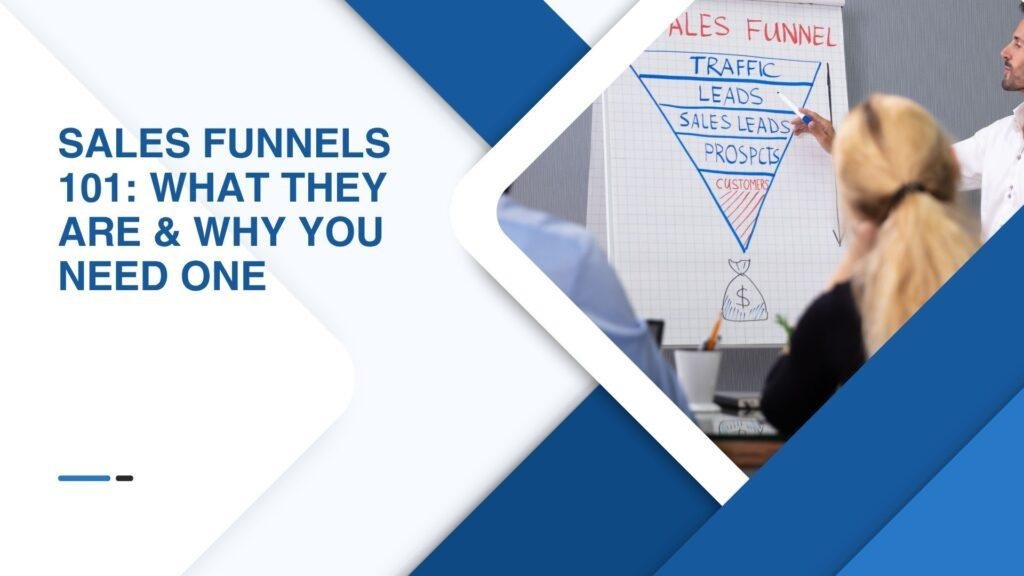
Sales Funnels 101: What They Are & Why You Need One

If you’re serious about turning website visitors into paying customers, understanding sales funnels is non-negotiable. A sales funnel is your roadmap to guide potential customers through their buying journey—step by step—until they’re ready to say “yes.” What Is a Sales Funnel? At its core, a sales funnel is a marketing strategy that leads a prospect through different stages: awareness, interest, decision, and action. Each stage has its own purpose, and together, they create a seamless user journey that nurtures cold leads into loyal customers. With a properly crafted sales & marketing funnel design, you’re not leaving your business growth up to chance. You’re strategically directing leads with engaging content, irresistible offers, and timely follow-ups. Why Every Business Needs a Funnel Many businesses waste time chasing unqualified leads or waiting for customers to figure things out on their own. A funnel fixes that. It allows you to: Combined with tools like live chat lead conversion and strategic pay per click (PPC) traffic campaigns, your funnel becomes an automated selling machine. How a Funnel Works Each of these steps can be optimized and enhanced using tools like 1-on-1 coaching & consulting to tailor your funnel to your unique audience and goals. Boost Conversions with Funnel Strategy A high-performing funnel doesn’t just sit on your site. It’s backed by data, strategy, and conversion-focused design. Integrate it with your website design & development to ensure the experience is seamless from entry to checkout. Plus, make sure your funnel aligns with your review & reputation management efforts. Social proof—like testimonials and ratings—can increase trust and push hesitant prospects closer to buying. Measure What Matters Sales funnels aren’t set-it-and-forget-it. The best marketers track metrics like conversion rate, bounce rate, and cost-per-lead. These KPIs help you refine every stage, ensuring your funnel continues to perform. Need help understanding or improving your funnel metrics? Our 1-on-1 coaching & consulting provides personalized guidance to ensure your funnel delivers real results. Conclusion A well-designed sales funnel is the secret weapon of successful businesses. It saves time, improves customer experience, and dramatically increases your chances of turning interest into income. Ready to create a funnel that converts? Explore our expert sales & marketing funnel design services and start building a smarter path to more sales today.

Sales Funnels 101: What They Are & Why You Need One Read More »