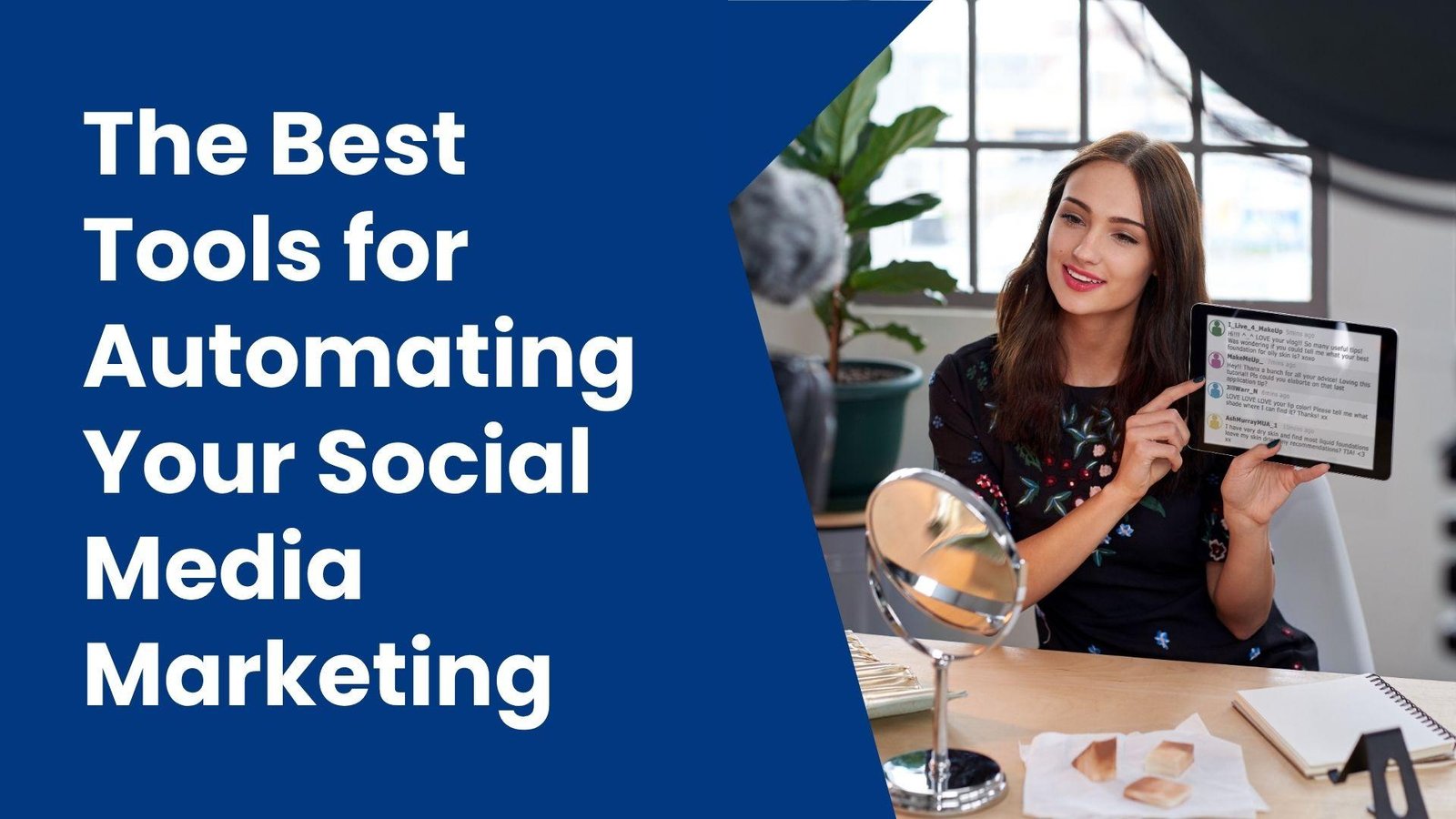

In today’s fast-paced digital landscape, businesses are expected to maintain a constant presence on multiple platforms—posting, engaging, monitoring, and measuring. It’s easy to burn out, and unless you’re a large team, staying on top of everything manually becomes unsustainable. That’s where automation comes in. With the right tools, you can streamline operations, ensure consistency, save time, and better support your broader strategy—whether that includes strong logo & graphic design, polished print media, or seamless website design & development.
Here, we’ll explore why automation matters, what to look for in tools, and highlight some of the top platforms that can help you scale your social presence—without losing authenticity. We’ll also show how this automation ties into broader services like social media management & marketing and sales & marketing funnel design.
Why Social Media Automation Is Essential
Posting by hand, reacting to every comment, and tracking every metric can quickly become overwhelming. Automation offers key benefits:
- Time savings: Pre-schedule posts for weeks or months ahead.
- Consistency: Maintain a regular cadence of content—crucial for audience engagement and algorithm favor.
- Better measurement: Use analytics built into tools to see what’s working.
- Scalability: As your business grows, you can keep your social activity on track without exponentially increasing your workload.
According to one review of automation tools:
“Automation helps us be consistent and engage better with the Audience.” Reddit+2Social Media Today+2
What to Look For in Automation Tools
Before choosing a platform, ensure it aligns with your goals. Here are key features to evaluate:
- Cross-platform posting and scheduling – Ability to schedule to multiple networks at once (Facebook, Instagram, LinkedIn, etc.).
- Content library and evergreen recycling – If you have high-performing posts, reuse them to keep the feed active. As one tool review explains: “content-organization and recycling … republishes high-performing posts for sustained engagement.” Trengo+1
- Engagement and monitoring tools – Alerts for mentions, comments, or keywords so you can respond promptly.
- Analytics and reporting – Know which posts drive traffic, conversions, or social growth so you can refine strategy.
- Integration with other marketing components – Your automation tool should tie in with your website-driven conversions, live chat lead conversion, your funnels, and perhaps local & competitive SEO efforts.
- Workflow and team functionalities – Especially useful if multiple people contribute content or need approval workflows.
With these features in mind, let’s look at some of the best tools on the market.
Top Automation Tools to Consider
1. Hootsuite
Hootsuite remains a prominent choice for social media automation. It supports multi-platform scheduling, team collaboration, social listening, and analytics. Social Media Dashboard+1 For businesses seeking a more robust tool that handles content planning and campaign oversight, Hootsuite is a solid pick.
2. SocialBee
SocialBee is pointed out as a great option for content recycling and scheduling. It helps businesses keep their feeds active without constant content creation. Trengo Ideal for companies that want a “set-it-and-maintain” social strategy.
3. Zoho Social
Zoho Social stands out when you need tight CRM and social integration. It supports scheduling, monitoring, and analysis—making it well-suited for teams that want social to directly feed into sales pipelines. Trengo
4. Buffer
Buffer is another user-friendly tool that lets you schedule posts, track basic analytics, and manage multiple accounts from one dashboard. Wikipedia While perhaps lighter on some features, it offers simplicity and affordability.
5. Zapier / Workflow Automators
While strictly speaking not a “social scheduler”, platforms like Zapier (and similar workflow automation tools) are essential for connecting your social-media automation to other systems—like blog updates, email lists, CRMs, or lead capture flows. Social Media Examiner+1 These are especially powerful if you’re integrating social activities into your broader funnel strategy or website ecosystem.
How Automation Fits Your Marketing Ecosystem
Social-media automation should not be isolated—it’s most effective when tied to your entire marketing engine. Here’s how it can connect:
- Brand Consistency: Ensure your visuals, tone, and brand voice remain consistent across social, website, and print. If you’ve invested in professional logo & graphic design and print media, your social content should reflect the same standards.
- Website Conversions: Posts should drive traffic to your website built via high-quality website design & development. A seamless visitor experience increases the value of scheduled social traffic.
- Sales Funnel Integration: Use social automation to feed content into your sales & marketing funnel design. For example, scheduled posts drive website visits → live chat opens (via your live chat lead conversion) → lead capture → nurture.
- Paid & Organic Alignment: While automation handles organic content, you can sync up with your pay-per-click (PPC) traffic campaigns to reinforce messages and retarget audiences who engaged socially.
- Reputation Management & Listening: Automated monitoring and alerts help with your review & reputation management efforts—ensuring you respond quickly and manage brand sentiment effectively.
Best Practices for Social Media Automation
To maximize the value, follow these guidelines:
- Plan your content calendar in advance – Define themes, formats (videos, carousels, stories), and post frequency.
- Mix evergreen and timely posts – Evergreen content can be scheduled for recycling; timely posts keep your brand relevant.
- Use monitoring alerts for real-time opportunities – Don’t automate everything; be ready to jump in when brand mentions or trending topics appear.
- Align calls to action with your funnel – Every post should have purpose: drive traffic, capture leads, nurture. Connect actions to your funnel stages built via sales marketing funnel design.
- Ensure creative quality matches your brand – Scheduled posts are only as effective as their design. If you’ve invested in logo & graphic design and high-quality visuals, reflect that in your content.
- Measure and adjust – Use analytics within your automation tools (and social platforms) to track performance. Look at engagement, clicks, conversions, and traffic source. Continuously optimize.
- Don’t neglect human engagement – Automation is about efficiency, not withdrawal. Real human responses to comments or DMs build trust, support your review & reputation management, and enhance authenticity.
Case Study: Automation in Action
Imagine a small business that offers local digital marketing services. Here’s how automation would work:
- They schedule weekly posts about “5 Local SEO Tips” using Buffer or SocialBee.
- Posts drive traffic to a landing page developed via website design & development offering a free consultation.
- A live chat widget (connected to live chat lead conversion) captures visitor info.
- Engagement is monitored—mentions of “Tampa Bay marketing” trigger alerts and responses (via Zapier workflows).
- When the lead converts to a client, the system triggers nurturing emails and social campaigns tied into the broader sales & marketing funnel design.
- Positive reviews from clients are shared on social and monitored as part of review & reputation management.
- Paid ads for “Tampa Local SEO Services” run concurrently through pay-per-click (PPC) traffic, reinforcing posts and retargeting those who engaged but didn’t convert.
- All assets—from website to email templates to social posts—reflect the same branding built via logo & graphic design and even integrated with physical brochures via print media.
- The automation platform sends monthly analytics to the owner, allowing them to track ROI and refine their strategy—perhaps with 1-on-1 coaching & consulting to polish their funnel or creative.
This level of integration means social media isn’t just posting for the sake of it—it’s a vital component of a well-oiled marketing machine.
Common Pitfalls to Avoid
While automation has big benefits, there are some risks:
- Over-automation: If everything is automated and nothing is personalized, your brand may feel robotic. Balance scheduled posts with live interaction.
- Poor alignment with brand identity: Using generic templates that don’t match your logo & graphic design or brand tone undermines professionalism.
- Ignoring analytics: Automating without measuring is wasteful—schedule posts but don’t track which ones convert.
- Lack of funnel integration: Posting alone won’t drive business unless your schedule feeds into a structured sales & marketing funnel design.
- Skipping monitoring: Brand mentions or negative feedback can escalate if you don’t have review & reputation management practices in place.
Bringing It All Together
Social media automation isn’t about replacing humans—it’s about being smarter with your time and scaling your efforts. When done right, it connects your social presence to your website, your funnel, your ad campaigns, your branding, and your live engagement tools.
Here’s how the pieces fit:
- Post content consistently using tools like Hootsuite, SocialBee, Buffer, or workflow automators.
- Use that content to drive traffic to your website built via website design & development.
- Capture leads in real time via live chat lead conversion.
- Nurture and convert via sales & marketing funnel design.
- Reinforce your brand through logo & graphic design and cohesion across channels.
- Support visibility and growth with local & competitive SEO and pay-per-click (PPC) traffic.
- Monitor your brand reputation via review & reputation management.
- If you need guidance, 1-on-1 coaching & consulting helps refine the strategy.
- Even physical marketing via print media can integrate into your social-automation strategy—think QR codes linking to scheduled posts or campaigns.
Final Thoughts
In 2025 and beyond, the companies that thrive on social media are those that automate smartly—freeing up time to focus on creativity, strategic growth, and authentic engagement. By selecting the right tools and weaving them into a comprehensive marketing ecosystem, you’ll not only stay consistent but also drive real business results through your social channels.
If you’re ready to elevate your social media from “just posting” to “performance-driven growth,” let’s get started. With automation tools in place and a broader strategy aligned across your brand, funnel, website, and ads—you’re set to scale effectively.